Kitchen Sink Blocked? How to Unblock It and When to Call Someone
A blocked kitchen sink is usually fat set in the trap or the waste pipe. Here is how to plunge it properly, clear the trap, check the gully outside, and recognise when the blockage is in the drain and needs rods or a jetter.
If your kitchen sink is blocked and full of standing water, stop running the tap, turn off the dishwasher and washing machine, and bail the sink down into a bucket. Then work out whether the blockage is in the trap under the sink, in the waste pipe through the wall, or in the gully or drain outside. Most blocked kitchen sinks are the trap or the waste pipe, and you can often clear those yourself. If the gully outside is overflowing too, the drain is blocked and it needs rods or a jetter.
Why kitchen sinks block
Kitchen sinks block because fat, oil and grease go down the plughole warm and liquid, then cool and set inside the pipe. Food scraps, coffee grounds and rice stick to that layer until the pipe closes up.
A kitchen waste pipe is narrow, typically 40mm, and it often runs a long way along a wall or under a floor to reach the outside gully. That gives the fat plenty of cool pipe to set in. Dishwashers and washing machines usually discharge into the same waste pipe as the sink, so a blockage anywhere along that pipe can send dirty water back up into the sink when either machine empties. A sink that was draining slowly for weeks before it stopped altogether is the typical pattern of a fat build-up rather than a single object.
Is it the sink, the waste pipe or the drain outside?
Look at the gully where the kitchen waste pipe comes out of the wall, usually a small grated drain at the foot of the outside wall. If the gully is empty or draining normally, the blockage is inside, between the sink and the wall. If the gully is full or overflowing, the blockage is at the gully or further down the drain.
You can narrow it down further. If the sink drains when you take the trap off, the trap was the problem. If the trap is clear but the water still will not go down the pipe behind it, the waste pipe is blocked. If other fittings on the ground floor, such as a downstairs toilet or shower, are also slow, the blockage is in the underground drain, and our guide to a blocked outside drain covers what to check next.
How to unblock a kitchen sink yourself
Start with a plunger, then the trap. Between them they clear most blocked kitchen sinks without any special tools.
- Plunge it properly. Use a flat-cup sink plunger with a few centimetres of water in the bowl. On a double sink, block the other plughole with a wet cloth held down firmly, or the pressure just escapes through it. Stuff a cloth into the overflow slot too. Twenty firm strokes, then lift off and watch.
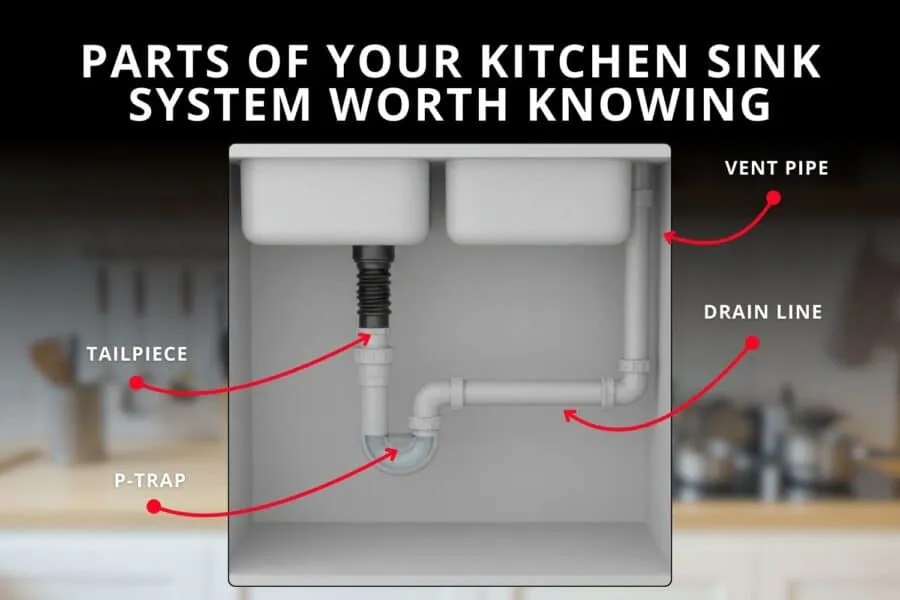
- Take the trap off. Put a bowl underneath, unscrew the plastic nuts by hand and remove the U-bend or bottle trap. Empty it, clean it out and look into the pipe that goes into the wall. Refit it hand-tight and check for drips.
- Hot water and washing-up liquid. Once the water has gone down, a kettle of hot water with a good squirt of washing-up liquid can shift a soft grease film. Use hot tap water rather than boiling if the pipework is plastic and has already been struggling.
- A plastic drain snake. The cheap barbed strips sold for hair will pull fat and food from the first half metre of the waste pipe once the trap is off.
Chemical unblockers are a last resort in a kitchen. They can soften a thin grease layer, but poured into a sink full of standing water they mostly sit there, and they are hazardous to anyone who then opens the trap. If you have already used one, say so when you call.
When to stop and call someone
Stop when the plunger and a clean trap have made no difference, when the gully outside is overflowing, or when dirty water comes up in the sink as the washing machine or dishwasher drains. Those all mean the blockage is further than you can reach.
A long kitchen waste run packed with fat needs a proper drain snake or a small jetting unit, and a blocked gully or underground drain needs rods or a jetter through the manhole. Forcing wire or a coat hanger down a plastic waste pipe tends to push the fat further along and can split an old joint behind the kitchen units.
For restaurants and takeaways the answer is usually the grease trap rather than the sink, and a blocked grease trap needs pumping out and cleaning before the sink will drain.
Does a blocked kitchen sink need someone tonight?
It is urgent when dirty water is coming up through the gully or into the kitchen, when the sink is backing up with waste from other fittings, or when the blocked pipe is shared by several flats. A sink that is simply full and not draining can usually wait until the morning with the taps and machines left off.
You can live without a kitchen sink for a night: wash up in the bathroom basin or a washing-up bowl and tip the water down the toilet. What you should not do is keep running the dishwasher or washing machine in the hope it clears, because every cycle sends more water into a pipe that has nowhere to go.
We clear blocked kitchen wastes, gullies and the underground drains behind them with rods, a drain snake or high-pressure drain jetting where there is a heavy fat build-up. Our rates follow the clock: 7am to 5pm is the standard rate, 5pm to midnight the evening rate and midnight to 7am the night rate. Current figures are on the pricing page, and the price is agreed before anyone travels.
Keeping the kitchen sink clear
Keep fat out of the sink and the sink will rarely block. Wipe greasy pans with kitchen roll before washing them, let cooking fat set in a jar and bin it, and use a sink strainer to catch food.
Hot water and washing-up liquid do not solve a fat problem, they only carry the fat further along the pipe before it sets, which is how kitchen blockages end up in the gully and the drain instead of the trap. If your sink blocks every few months despite that, the waste pipe may have too little fall or a sag where fat collects, and it is worth having the run checked once it has been cleared.
Frequently asked questions
How do I unblock a kitchen sink full of water?
Turn off the tap, dishwasher and washing machine, bail the sink down, then plunge it with the overflow and any second plughole blocked with a wet cloth. If that fails, put a bowl underneath and unscrew the trap to clear it by hand. If the trap is clean and the sink still will not drain, the blockage is further along the waste pipe or in the drain outside.
Why is my sink filling up when the washing machine drains?
The washing machine and sink usually share one waste pipe. When that pipe or the gully outside is partly blocked, the machine's water has nowhere to go and comes back up through the sink. Stop using the machine until the pipe is cleared.
Should I use a chemical drain unblocker on a kitchen sink?
Only as a last resort, and not in a sink full of standing water, where it does little and makes the water hazardous for whoever opens the trap. A plunger, a clean trap and a plastic drain snake clear most kitchen sinks. If you have used a chemical, tell the engineer before they start.