Sump Pump Not Working? What to Do Before the Basement Floods
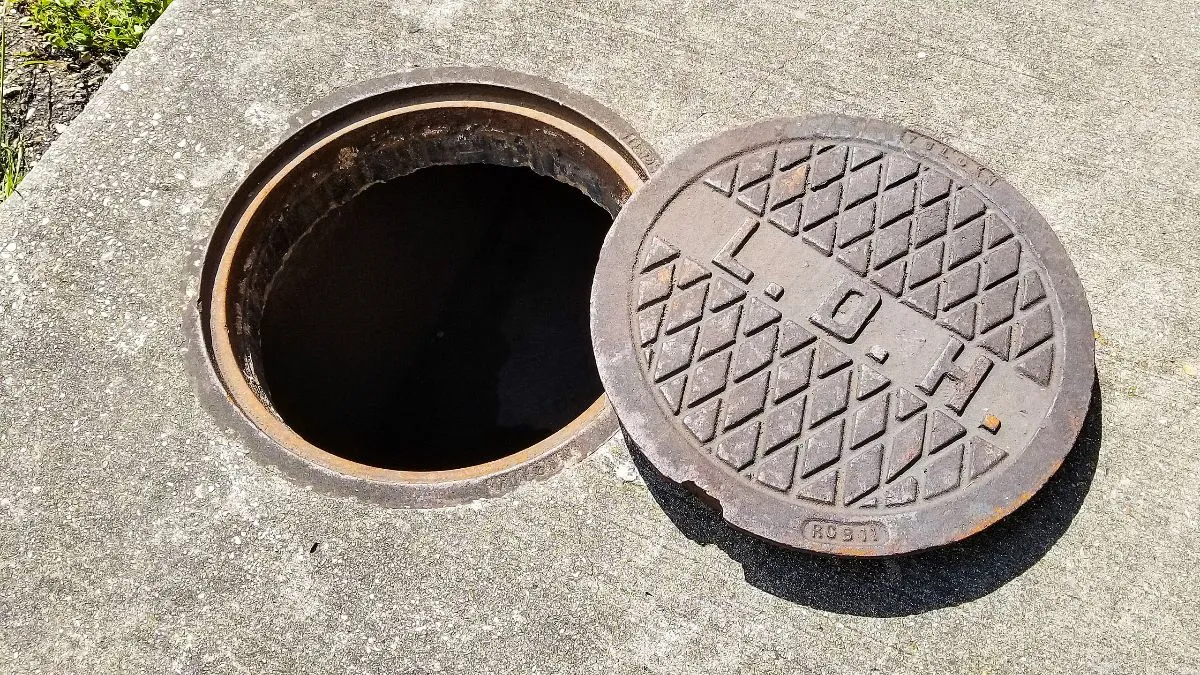
A sump pump that has stopped is usually down to power, a stuck float, a jammed pump or a blocked discharge pipe. Here is what you can check safely, how long you have before the basement floods, and who to call for each fault.
If your sump pump is not working and water is rising in the basement or lightwell, first make sure the pump still has power, then stop anything that sends water towards the sump, such as a washing machine or shower that drains into it. Only do this if you can reach the consumer unit without standing in water. Most failures come down to one of four things: no power, a stuck float switch, a jammed pump, or a blocked discharge pipe. The first two you can often check yourself. The other two need the sump pumped down and the pipe cleared.
Is it the pump, or is the water coming in too fast?
Listen at the sump and watch the level for a couple of minutes. A silent pump with water above the float means the pump is not starting. A pump that runs while the level keeps rising means the water is not getting out, or it is arriving faster than the pump can move it.
A sump pump in a London basement usually does one of two jobs. It collects groundwater from a cavity drain membrane behind the basement walls and floor, or it takes surface water from a lightwell, patio or external stair that sits below the level of the drain. In both cases it lifts the water up a discharge pipe to a gully or drain at ground level. It is not meant for sewage. If the pump behind your basement toilet or shower has stopped, that is a sewage pumping station, and our guide to a sewage pump alarm going off is the one to follow.
Safe checks you can do in the first ten minutes
Check the power, then the float, and nothing else. Keep your hands out of the sump and never touch anything electrical while you are standing in water.
- If water has reached sockets, the pump's spur or any wiring, do not go into the basement. Switch the power off at the consumer unit if you can reach it from a dry floor. If you cannot, call an electrician or your electricity network operator before anyone goes down.
- Look for a tripped breaker or RCD. Pumps often trip the power when water gets into a connection or the motor is struggling. Reset it once. If it trips again, leave it off: the pump or its wiring has a fault.
- Check the float. Many sumps have a lid you can lift to see the float switch. If it is caught against the side of the chamber or on the pump's cable, the pump never gets the signal to start. Freeing it with a stick, with the power off, sometimes starts the pump straight away.
- Check for a second pump or battery backup. Many basement systems have two pumps and a high-level alarm, and some have a battery backup. If the backup is running, you have some time. If its alarm is sounding, the battery is running down.
- Stop water going in. If the washing machine, a utility sink or the air conditioning condensate drains into the sump, turn them off.
How long before the basement floods?
It depends on the weather and on why the sump fills. A sump that only takes groundwater may rise slowly on a dry day and quickly after heavy rain. A lightwell sump can fill in minutes during a downpour.
Watch the level against something fixed, such as the top of the pump or the lid of the chamber, and note the time. If it is rising a few centimetres an hour and the forecast is dry, you may have until morning. If it is close to the top, if water is already coming through the membrane or onto the floor, or if heavy rain is on the way, treat it as urgent. Standing water damages plasterboard, flooring and electrics quickly, and drying a basement out takes far longer than pumping a sump.
A wet-and-dry vacuum or a bucket will keep a small sump from overflowing for a while. Do not run a petrol pump or generator inside the basement or anywhere near an open door or window. The exhaust gives off carbon monoxide, which builds up quickly in an enclosed space.
Common reasons a sump pump stops working
Power, float, a jammed pump or a blocked discharge pipe account for most failures. The pump itself wearing out is the other common cause, especially if it has not been serviced.
- Silt and debris in the sump. Groundwater carries fine silt, and lightwell sumps collect leaves and grit. Over time this settles around the pump, blocks the intake and can seize the impeller. The pump hums but moves no water.
- A blocked or frozen discharge pipe. If the pipe the pump discharges into is blocked, the pump runs and the water goes nowhere. The usual culprit is the gully or drain at the top, which gets choked with leaves or kitchen waste from the same yard. In a hard frost, an exposed outlet can freeze.
- A failed non-return valve. The valve on the discharge pipe stops water falling back into the sump each time the pump stops. When it fails, the pump keeps lifting the same water, running constantly and wearing out.
- A worn-out pump. Pumps have a working life, and one that has been running dry or cycling on and off every few minutes will fail sooner.
- Overload in a storm. Sometimes nothing is broken. The pump is simply receiving more water than it was sized for, because a lightwell drain or the ground around it is taking storm water it was never meant to take.
What an emergency drainage call-out can do tonight
A drainage engineer can pump the sump down so the basement stops flooding, clear silt from the chamber, and clear a blocked discharge pipe or the gully and drain it runs into. That buys time even when the pump itself has to be replaced later.
The water is pumped out or taken away by a vacuum tanker, the same equipment used for emergency septic tank and cesspit emptying, and the chamber is cleaned so the pump can draw water again. If the discharge gully or the drain downstream is blocked, it is cleared with rods or high-pressure drain jetting, and a camera check shows whether the pump has a clear run to discharge into.
Our rates follow the clock: 7am to 5pm is the standard rate, 5pm to midnight the evening rate, and midnight to 7am the night rate. The current figures are on our pricing page, and the price is agreed on the phone before anyone travels. If the level is steady and the weather is dry, booking for the morning at the standard rate is a sensible choice, and we will say so.
When a drainage engineer is the wrong call
If the pump has no power because of an electrical fault, you need an electrician. If the pump motor, float or control panel has failed, the replacement is work for the waterproofing company that installed the system or a pump engineer.
Many basement waterproofing systems come with a service contract, and some come with a warranty that depends on the installer doing the work. Check your paperwork before calling anyone else. We can still pump the sump down and clear the discharge the same night so the basement stays dry until the installer arrives, and we will tell you if that is all we can usefully do, rather than charge for a clearance that will not fix a dead pump.
Stopping it happening again
Most sump failures give warning signs first. Have the pump serviced at the interval the installer recommends, and do not ignore a pump that starts running more often or for longer than it used to.
- Keep the sump clean. A service visit should remove silt, test the float and check the non-return valve.
- Keep the discharge gully clear. Clear leaves from the gully and lightwell drains before autumn, because a blocked outlet at the top defeats a working pump at the bottom.
- Test the alarm and the backup. A high-level alarm you cannot hear from upstairs, or a backup battery that went flat years ago, will not help when the main pump fails.
- Label the pump's breaker and fused spur so anyone in the house can find them in the dark.
Frequently asked questions
Can a sump pump get blocked?
Yes. Silt, grit and leaves settle in the sump and can block the pump's intake or jam the impeller, so the pump hums but moves no water. The discharge pipe and the gully it runs into can also block, which leaves the pump running with nowhere to send the water. Both are cleared by pumping the sump down and cleaning the chamber and the outlet.
Is a sump pump failure an emergency?
It is if the water is still rising after you have checked the power and stopped any appliances draining into the sump, if water is already on the basement floor, or if heavy rain is forecast. If the level is steady and the weather is dry, it can usually wait until the morning.
Do you replace sump pumps?
We pump the sump down, clean the chamber, and clear blocked discharge pipes, gullies and drains. If the pump motor, float or controls have failed, replacement is a job for the installer or a pump engineer, especially if the system is under a waterproofing warranty. We will tell you that on the phone rather than send someone who cannot fix it.