Blocked Outside Drain: What to Do, What to Try and When to Call
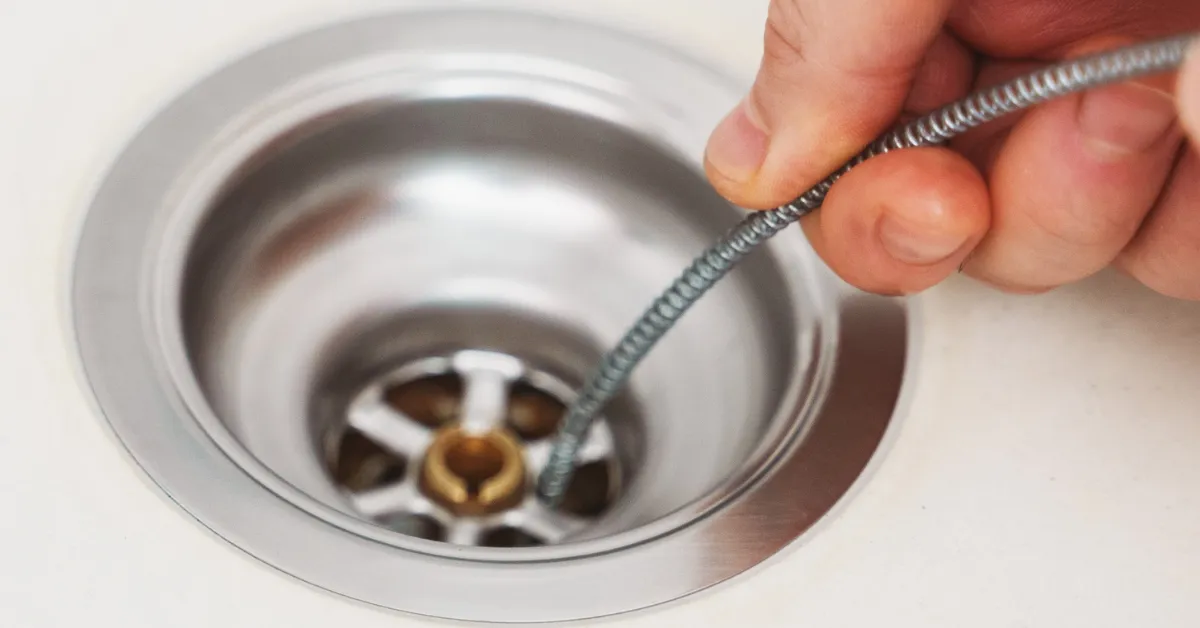
A blocked outside drain is usually either a gully (the small grated drain by a downpipe or sink waste) or the main inspection chamber. The first is often a job you can do with gloves and a bucket. The second tells you where the real blockage is.
If your outside drain is blocked, the first thing to work out is which drain it is. A small grated gully by a downpipe or kitchen waste is often blocked with leaves, grease or silt and can usually be cleared by hand. A full inspection chamber, the larger cover in the path or garden, means the blockage is further down the main drain and needs rods or a jetting unit. This page covers how to tell them apart, what is safe to try yourself, and when it becomes urgent.
Gully or manhole: which outside drain is blocked?
Outside drains come in two kinds: gullies, which collect water from a pipe or a yard, and inspection chambers, which give access to the main drain. Which one is holding water changes the fix completely.
A gully is a small opening, usually around the size of a dinner plate, often with a plastic or iron grate on top. It sits under a downpipe, a kitchen sink waste or a washing machine outlet, and it has a water trap in it, so a little standing water is normal. An inspection chamber, sometimes called a manhole, has a solid rectangular cover, usually in a path, drive or side return. Lifting it shows open channels in the base where pipes from the house join.
What you can safely try on a blocked gully
If only the gully is overflowing and the inspection chamber is clear, the blockage is usually in the gully trap itself. That is one of the few drainage jobs a householder can reasonably do.
- Put on long rubber gloves and lift the grate off. Scoop out leaves, silt and grease by hand or with an old plastic cup into a bucket.
- Once you can see the trap, pour a bucket of warm, not boiling, water in and watch whether it runs away.
- If it drains, run the kitchen tap or washing machine for a minute to check the flow holds.
- Bag the waste and put it in general rubbish. Do not wash grease back down another drain.
Skip chemical drain cleaners outside. They rarely clear a gully full of silt or congealed fat, and the next person to put a hand in that trap is often a drainage engineer. If the gully keeps filling with grease from the kitchen, that is a sign fat is going down the sink, and the guide to preventing drain blockages covers what to change.
Lifting the manhole cover: what the water level tells you
If the inspection chamber is full of standing water, the blockage is downstream of it. If it is empty while the gully or the house is backing up, the blockage is between the two. If that is the last chamber before the road and it has a U-bend in its floor, see our guide to a blocked interceptor trap.
Most domestic covers can be lifted with a flat spade or two screwdrivers in the lifting slots. Lift with your legs, keep fingers clear of the edge and slide the cover aside rather than dropping it. If there is more than one chamber, check each one working towards the road. The last full chamber and the first empty one bracket the blockage. That is the single most useful thing you can tell an engineer on the phone, because it decides whether rods from your chamber will reach or whether the problem is in a shared run.
Pushing a set of drain rods downstream from a full chamber sometimes works on a soft blockage near the chamber. It rarely works on grease or silt spread along a pipe, and forcing rods into old clay pipes can dislodge a joint. If it has not cleared after a few careful pushes, stop.
When an outside drain blockage becomes urgent
An outside blockage becomes urgent when the water has somewhere bad to go: into the house, under a door, or through the air bricks. Until then it is a daytime job.
Treat it as an emergency if foul water is rising in a ground-floor toilet or shower, if the chamber has overflowed and is running towards the building, or if you are in a basement flat below the level of the chamber. Rainwater standing in a yard gully after a storm, with nothing backing up indoors, can almost always wait until the morning, and it usually drops on its own once the rain stops.
Is it your drain or the water company's?
If your own chamber is clear and the blockage is further along a pipe shared with neighbours or beyond your boundary, it is usually the water company's to clear, at no cost to you.
In England, most shared drains and lateral drains outside the property boundary transferred to the sewerage companies in October 2011. A useful test: if your chamber is full and a neighbour's chamber on the same run is also full, the blockage is likely in a shared section. Check before paying anyone. Our article on shared drain blockages and who is responsible covers the detail.
What a drainage engineer does with an outside blockage
An engineer works from the chamber nearest the blockage, clears it with rods or a high-pressure jetting hose, and then checks that the run is flowing freely rather than just temporarily open.
For a grease or silt blockage, jetting is usually the right tool because it scours the pipe wall rather than punching a hole through the middle. If the same outside drain has blocked more than once in a few months, a camera check after clearance is worth having, because repeat blockages at one spot are often a cracked pipe, a displaced joint or root ingress. You can see what is involved on the drain clearance service page. The price is agreed by time band before anyone travels.
Stopping it happening again
Most outside blockages come from three things: fat from the kitchen, leaves and silt in yard gullies, and wipes flushed down the toilet. Deal with those and repeat call-outs mostly stop.
Wipe greasy pans with kitchen roll before washing them. Fit a leaf guard or a simple mesh over yard gullies under trees and clear them in autumn. Only flush toilet paper. If a gully sits under a downpipe that carries moss and grit off the roof, lifting the grate and scooping it out twice a year takes five minutes and saves a call-out.
Frequently asked questions
How do I unblock an outside drain myself?
If it is a gully, lift the grate, scoop out the debris wearing long gloves, and flush with a bucket of warm water. If the main inspection chamber is full, the blockage is further down the pipe and needs drain rods or jetting; stop after a few careful pushes rather than forcing rods into old pipework.
Who is responsible for a blocked outside drain?
A drain that only serves your property and sits within your boundary is yours. In England, most drains shared with neighbours or running beyond your boundary have been the sewerage company's responsibility since October 2011, and they clear those without charge.
Is a blocked outside drain an emergency?
Only if waste water is backing up inside, overflowing towards the building, or reaching a basement. Standing rainwater in a yard gully with nothing coming up indoors can normally wait until the standard daytime band.