Drain Clearance Methods Explained: Jetting, Rodding and CCTV
A direct explanation of professional drain clearance methods and how our rapid, transparent emergency service works to resolve your blockage fast.
This page explains the methods used to shift a blockage, high-pressure jetting, mechanical rodding and electro-mechanical cutting, and why a camera goes in first. If you need a drain cleared rather than explained, our blocked drain clearance service in London is the page for booking a visit.
Fast Response, Clear Methods: How We Clear Your Drains
When a drain blocks, you need action, not confusion. We operate on a simple principle: rapid dispatch, proven methods, and total transparency on timing and cost. Our engineers are dispatched 24/7 across London, and we give you an honest arrival window when you call. Before we even arrive, we provide a clear time-band estimate for the work and its associated cost—no nasty surprises, just a fast solution.
The Core Drain Clearance Methods We Use
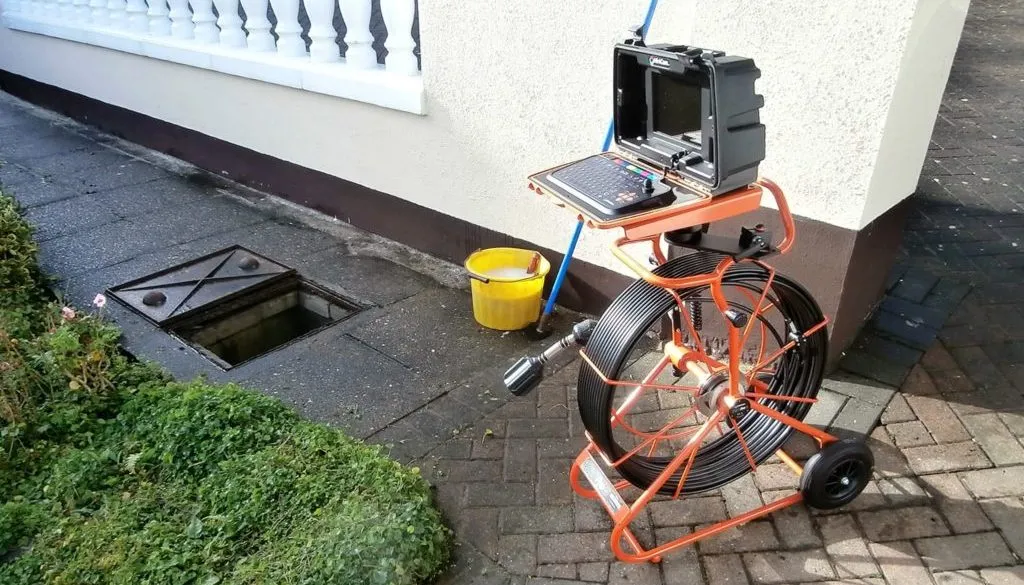
Our approach is methodical and equipment-based, designed for speed and effectiveness. The first step is always a CCTV drain survey to diagnose the exact cause and location of the blockage. This avoids guesswork and ensures we use the right tool for the job immediately. From there, we deploy one of several primary clearance techniques.
For common blockages like fat, grease, or general waste, high-pressure water jetting is our go-to method. This involves pumping water at extremely high pressure through a specialised hose and nozzle into the drain. It scours the pipe walls clean, breaks down the obstruction, and flushes it through the system. It's fast, effective, and avoids the use of harsh chemicals. Clearing a blockage and routine drain cleaning are different jobs, and our note on drain cleaning versus drain unblocking explains which one you need.
For more solid, compacted blockages or where an object is lodged, we use mechanical rodding or electro-mechanical cleaning. This involves feeding a flexible, powered auger with a cutting head into the drain to physically break apart or retrieve the obstruction. For the toughest jobs, like collapsed pipes or severe root ingress, we may need to combine these methods or proceed directly to a more involved repair, which we will discuss transparently with you before proceeding.
Our Emergency Dispatch & Transparent Process
Speed is defined by our process, not just our vehicles. From your first call, our team assesses the symptoms to ensure the right van and kit are dispatched. Upon arrival, our engineer will confirm the diagnosis with a CCTV camera, explain the required method, and confirm the fixed, time-banded price agreed on the phone. Anything beyond the clearance is quoted separately: you approve; we act.
The work doesn't end when the water flows. We'll show you the before-and-after footage as proof of the clearance and advise on preventing future issues. This end-to-end transparency means you're never left wondering what happened or what's next. Our goal is to resolve your emergency swiftly and leave you with clarity, not just a cleared drain.
We don't believe in mystery pricing for emergencies. Our time-band structure means you know the cost scope based on the anticipated job duration and complexity before work starts. This commitment to upfront clarity, combined with our rapid, 24/7 availability, is how we turn a stressful drainage emergency into a managed, efficient process.
Frequently asked questions
How quickly can you get an engineer to me for a blocked drain?
We operate a rapid dispatch system 24/7 across London. Once you call, we mobilise the nearest available engineer and give you an honest arrival window, which depends on traffic, time of day and where that engineer is.
How do you price emergency drain clearance?
We use transparent time-band pricing. The fixed price for the clearance is set by the time band the visit falls in and agreed on the phone before we dispatch. You know the cost before we start any work—no hidden fees or hourly rate surprises.
What's the main method you use to clear blockages?
High-pressure water jetting is our primary method for most common blockages, as it's fast and thorough. For solid obstructions, we use mechanical rodding. The method is always chosen based on the CCTV survey to ensure the fastest, most effective resolution.