Does Boiling Water Unblock a Drain? What Works Before the Engineer Arrives
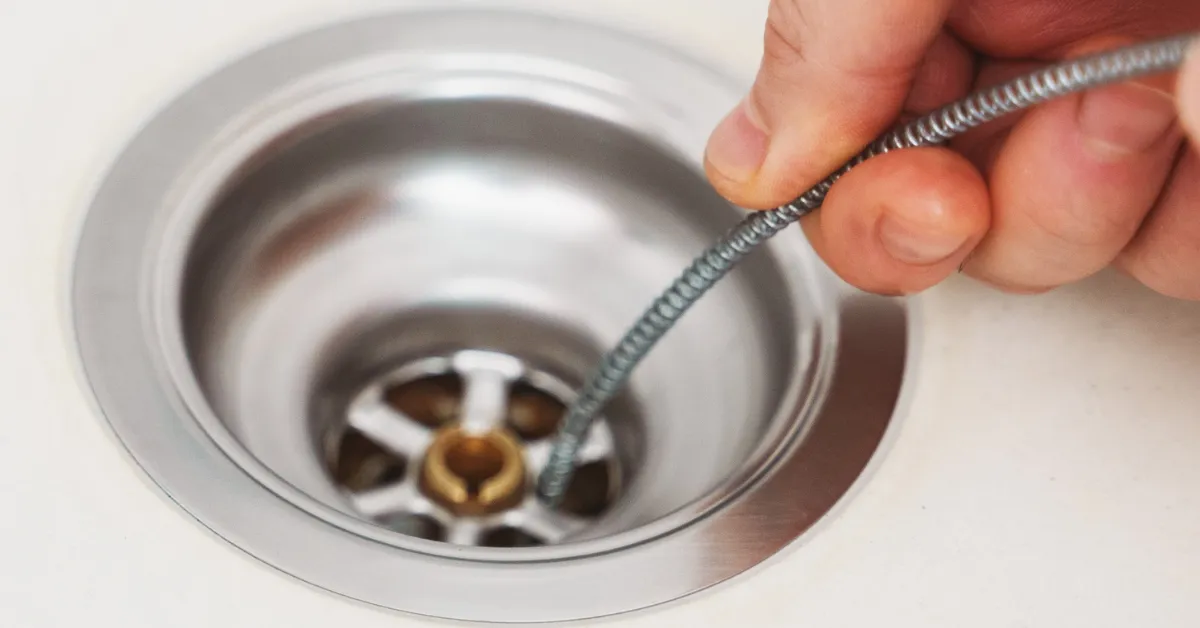
Boiling water, chemical unblockers, soda and vinegar: what each one can and cannot do to a blocked drain, which ones make the engineer's job harder, and how to tell when nothing you pour down will help.
Boiling water can help with one kind of blockage: grease or soap building up in a kitchen or bathroom sink trap. It will not clear a blocked toilet, and it will not touch a blockage in the main drain outside, which is where most blockages that flood a house actually are. Poured into a toilet pan it can crack the ceramic. Before you put anything down a blocked drain tonight, it is worth knowing which of the usual remedies can work and which ones just make the water nastier for whoever comes to clear it.
The short answer: it depends on what is blocking the pipe
Hot water softens fat and soap. It does nothing to wipes, sanitary products, food waste, silt, tree roots or a broken pipe, and those cause most serious blockages.
A kitchen sink that has been slowing down for weeks is usually lined with grease that has set as it cooled. Warm water melts some of it and pushes it along, which is why the sink sometimes improves for a day or two. A toilet that overflows, or an outside chamber full to the brim, is almost never a grease problem at the point you can reach. The blockage is further down, in a 100mm pipe, and a kettle of hot water goes cold long before it gets there.
When hot water is worth trying, and how to do it
Try it only on a sink or basin that is slow but still draining, and use very hot tap water rather than a kettle straight off the boil. That gives you most of the benefit with less risk to the pipework.
Run the hot tap until it is at full temperature, then let the sink fill a few centimetres and pull the plug, or pour two or three jugs in steadily. If the water drains a little faster each time, grease was part of the problem. If nothing changes after a couple of attempts, stop; more hot water will not make a difference. A plunger on the plughole, with the overflow covered by a damp cloth, usually does more. The article on a slow draining sink goes through the other causes, including a trap full of food waste or hair that simply needs unscrewing and emptying.
Why boiling water is a bad idea in toilets and plastic pipes
Do not pour boiling water into a toilet. A sudden rush of very hot water into cold ceramic can crack the pan, and a cracked pan leaks every time it is flushed.
Most waste pipes under sinks and baths in London homes are plastic, and many are joined with push-fit or compression fittings that rely on rubber seals. They cope with hot tap water every day. Repeated kettles of boiling water are a different matter, and the result can be a softened joint or a slow drip under the sink that nobody notices until the cupboard floor swells. When a blockage is standing in the pipe, boiling water also has nowhere to go and sits against the same joints for longer.
And the fat you melt does not disappear. It flows a few metres further, cools in the colder underground drain, and sets again, often at a bend or a junction where it catches everything that follows. That is how fatbergs start. Hot water moves a grease problem; it rarely removes it.
Chemical drain unblockers: when to leave them on the shelf
Caustic and acid drain unblockers can clear hair and soap from a basin waste. They should never go into a drain that is backing up, a toilet that is full, or an outside chamber. For a shower tray that is holding water, our guide to a blocked shower drain covers what to try first.
- They need contact to work. Poured into a pan or sink full of standing water, they are diluted before they reach anything, and they will not dissolve wipes or sanitary products in any case.
- They stay in the water. If the drain is still blocked, the chemical is still there when someone plunges, rods or lifts a cover. Splash-back causes burns to skin and eyes.
- Tell the engineer. If you have already used one, say so on the phone and again when the engineer arrives. It changes how they approach the job.
- Never mix products. Different drain cleaners, or a drain cleaner and bleach, can react and give off harmful fumes.
Soda crystals, bicarbonate and vinegar, and enzyme cleaners
These are gentle maintenance products, not unblockers. They are fine to use on a sink that drains normally; none of them will clear a blocked drain tonight.
Bicarbonate of soda and vinegar fizz impressively, but the reaction mostly produces water, salt and gas, and it is over in a minute. Soda crystals dissolved in hot water help keep a kitchen waste free of grease if used regularly. Enzyme and bacterial cleaners digest organic film slowly over days. All three are useful for keeping a pipe clean. None has the force or the chemistry to move a solid blockage.
What actually helps before the engineer arrives
Stop using water, work out which fittings are affected, and use a plunger only where the blockage is local. That is the whole of the useful list.
- Stop the water. Tell everyone in the house not to flush, shower or run the washing machine or dishwasher.
- Check more than one fitting. One slow sink is a local blockage. Several slow or backing-up fittings means the main drain is blocked.
- Look in the outside chamber. A chamber full of standing water means the blockage is downstream and out of reach of anything you pour indoors.
- Clear leaves from an outside gully by hand. Wearing rubber gloves, lift out the debris from the grate and the top of the gully. That clears more outside blockages than any liquid.
When nothing you pour down will help
If water is coming back up inside, if more than one fitting is affected, or if the outside chamber is full, the blockage is in the main drain and needs rods or a jetter. No liquid from a kitchen cupboard will reach it.
That is the point to stop experimenting and call. Our engineers clear main-drain blockages from the nearest chamber with rods or high-pressure water, then check the run with a camera so you know whether it was a one-off or something that will come back. The blocked drain clearance page explains how that visit works. If nothing is coming up inside and you still have a working toilet, it can usually wait for the standard daytime band, and we will tell you that honestly when you ring.
Frequently asked questions
Can boiling water damage drain pipes?
It can. Plastic waste pipes and their push-fit or compression joints are made for hot tap water, not repeated kettles of boiling water, and a toilet pan can crack if very hot water hits cold ceramic. Very hot tap water gives most of the benefit on a greasy sink with far less risk.
Will bleach unblock a drain?
No. Bleach disinfects and removes smells, but it does not dissolve grease, hair, wipes or food waste. Never mix it with a drain unblocker or other cleaning products, because some combinations give off harmful fumes.
How long should I wait after pouring drain cleaner before calling someone?
Follow the time on the product label, which is usually under an hour. If the sink or basin has not improved by then, a second dose rarely helps. Call, and tell the engineer which product you used so they can take care when they open the trap or drain.