Blocked Interceptor Trap? What It Is and What to Do Now
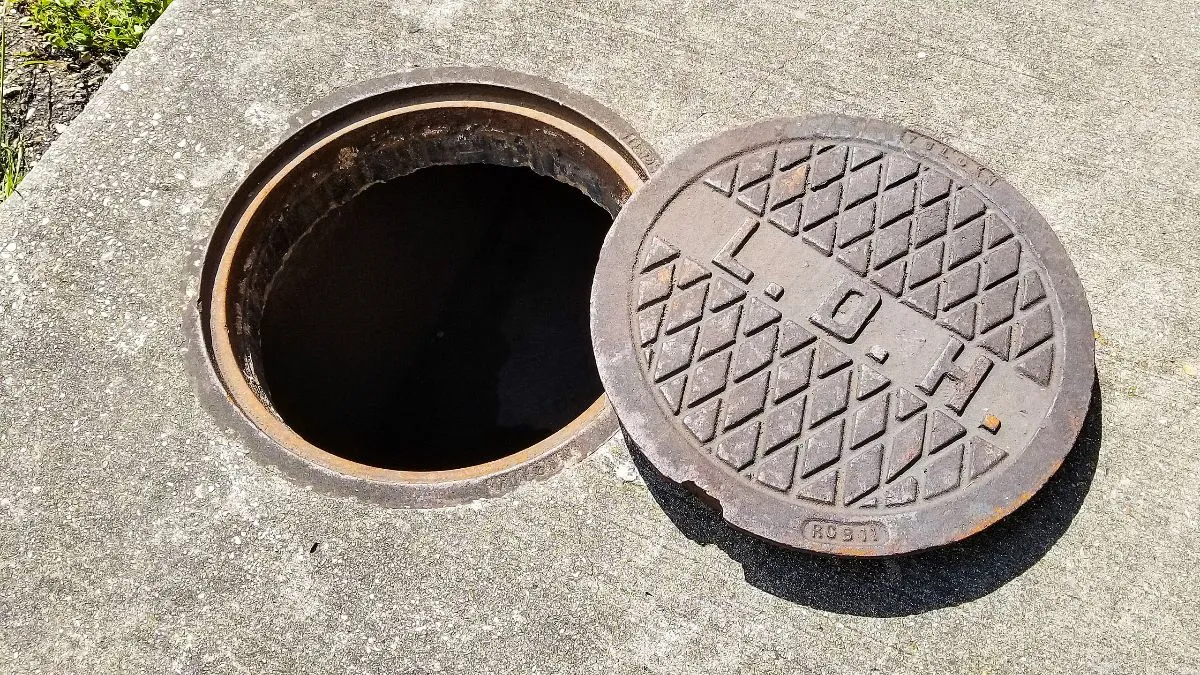
The last manhole before the road is full and nothing is moving. In older London houses the interceptor trap is often the cause. How to confirm it, what not to touch, and whether it needs clearing tonight.
If the last manhole before your boundary is filling with water or sewage and nothing is flowing out towards the road, the blockage is very often at the interceptor trap. Stop using water in the house, keep the cover off only long enough to look, and do not push rods hard into the small pipe with a stopper in it. That small pipe is the part most people make worse.
What an interceptor trap is
An interceptor trap is a U-bend built into the floor of the last inspection chamber before your drain joins the sewer. It holds a plug of water that was meant to stop sewer gas and rats coming back up into the house drains.
You will find one in a large share of London houses built before the 1950s, including most Victorian and Edwardian terraces. Look down into the chamber nearest the pavement or the front boundary. If the channel drops into a bend at the far end, with a short pipe rising above it that is closed by a clay, cast iron or plastic stopper, that is the interceptor. The stopper sits on the rodding arm, which gives access to the pipe on the sewer side of the trap.
This is not the same thing as an oil or petrol interceptor at a garage, car wash or car park. Those are separator tanks that need emptying by a licensed waste contractor. This article is about the domestic drain trap.
How to tell the blockage is at the interceptor
Lift the cover of the last chamber, the one closest to the road. If it is full to the benching or above and the level is not falling, the blockage is at the trap or somewhere beyond it. If that chamber is empty but the one further up the garden is full, the blockage is between the two chambers instead.
- A small pool of water sitting in the bend is normal. The trap is designed to hold water. What is not normal is water or sewage filling the chamber itself.
- Every chamber on the run is full. That points to the interceptor or the pipe beyond it, because it is the lowest point on the private drain.
- Toilet paper and solids are sitting on the surface of the last chamber. Waste is reaching the trap and stopping there.
- The stopper is missing from the rodding arm. A stopper that has dropped out usually ends up lodged in the outlet, and it is one of the most common causes of an interceptor blockage we see.
- Ground-floor toilets, gullies or a basement shower are backing up. Once the chambers fill, the lowest fittings in the house are where sewage appears next.
If you are not sure which chamber is which, our guide to a blocked outside drain and what to check first walks through reading the covers in order.
What to do in the first hour
Cut the water going in and leave the trap alone. Every flush, shower and washing machine cycle adds to a chamber that is not emptying.
- Tell everyone in the house to stop using water. In a house split into flats, the same interceptor usually serves every flat, so knock on doors.
- Do not rod into the rodding arm. Pushing rods at the stopper is how it gets knocked into the trap. Rods pushed down the bend itself without the right head can also jam or break off.
- Do not pour drain chemicals into the chamber. They will not reach a blockage under a pool of sewage, and they make the water more dangerous for whoever has to clear it.
- Do not climb into the chamber. Deeper chambers can hold sewer gas, and the sides are slippery. Look from the edge and put the cover back.
- Keep children and pets away from any open chamber and from sewage on the surface.
Does it need clearing tonight?
It does if sewage is reaching the top of a chamber, coming up through a gully or into a ground-floor toilet or shower, or if the household cannot stop using water. If the level is steady with water use stopped and nothing is escaping, the morning is a reasonable choice.
An interceptor blockage rarely clears itself. Paper and solids keep collecting behind the trap, so a chamber that is just below the benching tonight is often overflowing by breakfast once the house starts flushing again. If you cannot realistically keep a family off the toilets until morning, treat it as tonight's job.
Our charges follow the clock rather than a single emergency premium. Work attended between 7am and 5pm is charged at the standard rate, 5pm to midnight at the evening rate, and midnight to 7am at the night rate. Current figures are on the pricing page, and the price is agreed on the phone before anyone travels, so you can decide whether tonight or first thing is right for you.
How an engineer clears an interceptor trap
The trap is cleared through the bend itself, with rods fitted with a head that follows the curve, or with a jetting hose and a nozzle sized for the trap. The stopper is then recovered, the pipe beyond is checked, and a sound stopper is refitted.
The order matters. The chamber is usually pumped or drained down first so the engineer can see the bend. If the old stopper is in the outlet, it has to be pulled back out rather than pushed on into the lateral, where it can cause a second blockage further down. Once the trap is flowing, the run beyond it towards the sewer is flushed through, because a blockage past the trap looks exactly the same from the chamber. A camera check is worth doing if the stopper was missing, if this is a repeat blockage, or if the pipe beyond the trap is slow even after clearing. Our emergency drain clearance covers all of this in one visit.
If the new stopper is loose or the rodding arm is cracked, it is better to replace the stopper or fit a secured cap on the spot than to leave an open arm, because an open arm lets sewer gas and rats straight into your drain.
If the blockage is past your boundary
If the interceptor is clear but the pipe beyond it will not flow, the blockage may be in the lateral drain outside your boundary or in the public sewer. In England, lateral drains beyond the property boundary and shared sewers have been the water company's responsibility since October 2011.
In most of London that means Thames Water. An engineer with a camera can usually show where the blockage sits and whether it is on your side of the line. If it is not, we will say so and tell you to report it to the water company, rather than keep charging to clear a pipe that is not yours to pay for.
Stopping it happening again
Most interceptor blockages come from wipes, sanitary products and fat catching in the bend, or from a stopper that was left loose after an earlier clearance. Only toilet paper and human waste should go down the toilet, and cooking fat belongs in the bin once it has cooled.
Some owners ask about taking the trap out altogether, because the bend is a natural catching point. It is a real option, but it is a decision to make after a survey in daylight, not in the middle of an emergency, since removing the trap also removes the barrier against rats and sewer smells. If you are having repeat blockages, ask for the trap and the run beyond it to be filmed so you can see the cause before choosing.
Frequently asked questions
What does a blocked interceptor trap look like?
The last inspection chamber before the road fills with water or sewage and the level does not fall, often with paper and solids on the surface. The chambers further up the garden usually fill too. A small pool of water sitting in the bend of the trap on its own is normal, because the trap is designed to hold water.
Can I clear an interceptor trap myself?
It is easy to make worse. Rods pushed at the rodding arm often knock the stopper into the trap, where it lodges in the outlet. Stop using water, keep the cover closed and have it cleared through the bend with the right rod head or a jetting nozzle, with the stopper recovered and refitted afterwards.
Who pays if the blockage is past the interceptor?
If the blockage is in the lateral drain beyond your property boundary or in a shared sewer, it is normally the water company's responsibility, which in most of London is Thames Water. A camera check can show where the blockage sits so you know who to call.