Bath Not Draining? How to Unblock a Bath Drain, and When It Is the Drain Below
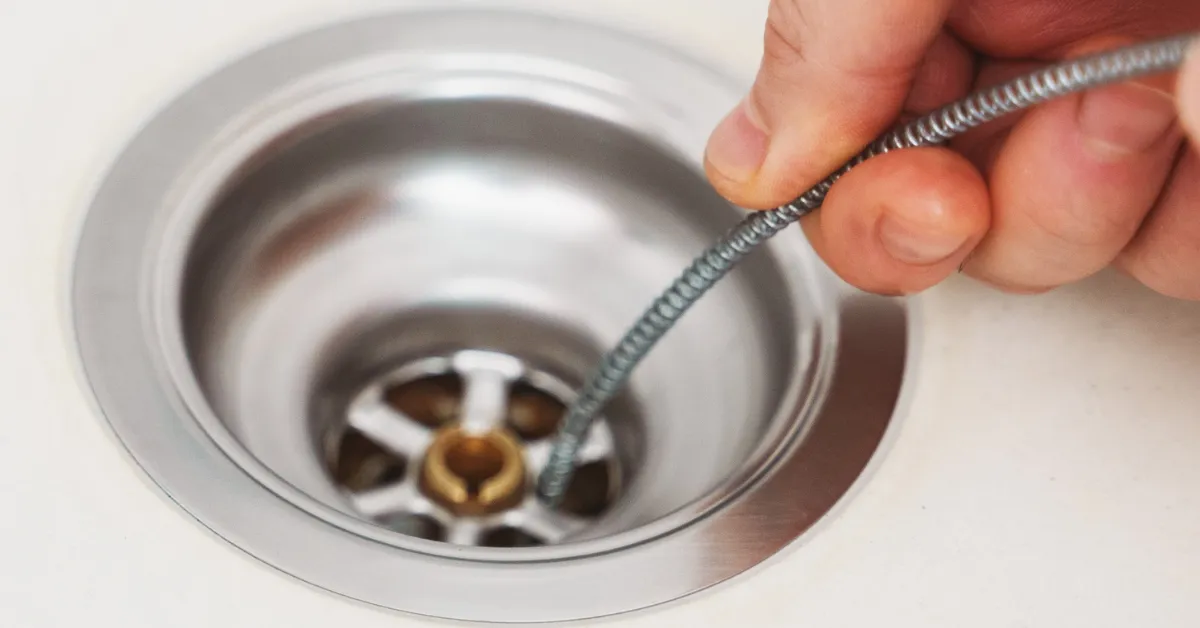
Most baths that will not drain are hair wound round the plug and packed into the trap. How to clear the plug waste, plunge a bath properly with the overflow sealed, get to the trap behind the panel, and recognise when water in the bath means the drain below is blocked.
To unblock a bath drain, pull the hair out of the plug waste, clean the pop-up or click-clack plug, then plunge the plughole with a wet cloth held hard over the overflow. That clears most baths that will not drain, and it takes about twenty minutes with nothing more than gloves, a cup plunger and a screwdriver. Before you start, check one thing: if water rises in the bath when a toilet is flushed or a basin is emptied, the blockage is in the drain below, not the bath, and plunging will not fix it.
First, is it the bath or the drain?
If only the bath is slow and every toilet, basin and shower drains normally, the blockage is in the bath's own waste, trap or the short pipe behind it. If other fittings are slow too, or the bath fills from below, the problem is in the shared pipe further down.
Run the basin tap for ten seconds, then flush the toilet, and watch the plughole each time. Bubbling, a rising level or grey water appearing in the bath means the bath is joined to a pipe that is blocked below it. In many London terraces the bath and basin also share one waste pipe before it reaches the soil stack, so a slow basin and a slow bath together often point to that shared length rather than two separate blockages.
Older houses sometimes have a bath waste that runs out through the wall into an open hopper head on a downpipe, which empties into a gully at ground level. If you see water spilling from the hopper or the gully below when the bath empties, the blockage is outside, usually leaves or silt in the hopper or the gully, not inside the bath at all.
Clear the plug waste: where most bath blockages are
Most blocked baths are hair and soap wound round the plug mechanism or packed into the top of the waste. You can reach nearly all of it without taking anything apart below the bath.
- Click-clack or push-button plug. Hold the plug in the open position and unscrew the cap anticlockwise. Some caps unscrew from a threaded stem, others pull off. Lift the stem out and clean the hair from it and from the grate underneath.
- Pop-up waste worked by a handle or knob on the overflow. The plug usually lifts straight out once it is raised, sometimes with a quarter turn. The hair collects on the rod and the plug's underside.
- Plug and chain. There is nothing to remove, so use a plastic drain-clearing strip with barbs along its edge, pushed down through the grate and drawn back slowly.
Run the hot tap for a minute afterwards. If the water now goes straight down, you are done. If it drains a little faster but still pools, the rest of the blockage is lower down, in the trap.
How to plunge a bath properly
A plunger only works on a bath if the overflow is sealed. Without that, every push sends air and water out of the overflow instead of against the blockage.
Leave five or so centimetres of water in the bath so the cup is covered. Fold a wet flannel over the overflow and have someone hold it down hard, or press it with the flat of your hand. Seat a cup plunger over the plughole, give it one gentle push to force the air out, then work it firmly fifteen or twenty times and lift it off. If the level drops with a gurgle, run the tap to check the flow. Two or three rounds is enough: if it has made no difference by then, the blockage is either in the trap or beyond it.
Hot water from the tap and a squirt of washing-up liquid can soften soap scum between attempts. Water straight from the kettle is best avoided, because it can soften plastic waste fittings and damage acrylic baths, and chemical unblockers rarely dissolve a hair plug. The guide to unblocking a shower drain covers the same hair-and-soap problem where a shower is fitted over the bath.
Getting to the bath trap behind the panel
If the plughole is clear and plunging has not helped, the trap under the bath is the next place to look. It sits behind the bath panel, directly beneath the plughole.
Most bath panels are held by clips, magnetic catches or a few screws along the top edge, and a plinth along the bottom. Ease the panel away gently, because older acrylic panels crack if they are forced. Put a shallow tray and towels under the trap first: it will be full of water, and there is very little room between a bath and the floor.
Unscrew the trap by hand, empty it and clean it, then look into the waste pipe that leaves it. A plastic drain snake will reach the first metre or so. When you refit the trap, make sure the washers are seated and do it up hand-tight, then run the bath and check for drips with the panel still off. A trap that drips slowly under a bath can go unnoticed for weeks until it shows on the ceiling below.
Water coming up in the bath is not a bath blockage
If dirty water appears in the bath when a toilet is flushed, the drain below the house is blocked and the bath is simply the lowest opening on that branch. Stop using water everywhere in the property until it has been cleared.
This happens most on ground floors and in basement flats, where the bath or shower sits lower than anything else on the pipe. Toilet paper or a sewage smell in the water confirms it. Lift the nearest manhole cover if you can do so safely: a chamber full of standing water means the blockage is at or below it. Our page on sewage coming up through a drain or toilet sets out what to do in the first ten minutes and how to tell your drain from the public sewer.
Do not keep plunging the bath in this situation. It only pushes dirty water back and forth, and the blockage is out of reach of anything you can do from the bathroom.
Does a blocked bath need someone tonight?
A bath that drains slowly or holds a few centimetres of water can almost always wait until the morning. It becomes urgent when waste water or sewage is coming up into it, when water is escaping and showing on a ceiling below, or when the same blockage has stopped the only toilet in the property.
If you have a shower, a second bathroom or even a basin you can wash at, a bath full of grey water is an inconvenience, not an emergency. Leave the plug out, stop using the bath, and book the job for the day. Our rates follow the clock: 7am to 5pm is the standard rate, 5pm to midnight the evening rate, and midnight to 7am the night rate. The current figures are on our pricing page, and the price is agreed on the phone before anyone travels. If a bath blockage can wait, we will tell you so.
When it is the drain rather than the bath, our toilet and internal drain clearance covers the shared waste, the soil stack and the underground pipe behind them, cleared with rods or a drain snake inside and a jetting unit through the manhole where the blockage is outside.
Why baths keep blocking, and how to stop it
A bath that blocks every few months is almost always catching hair faster than it is being cleared. A hair catcher over the plughole and a monthly clean of the pop-up or click-clack stem prevent most repeat blockages.
Bath oils, bubble baths and heavy conditioners leave a greasy film inside the waste that gives hair something to cling to, and running a hot tap for a minute after an oily bath helps. If the bath still blocks regularly with a hair catcher in place, the waste pipe may have too little fall, a sag where water sits, or a tight joint where it meets the stack. That is worth a plumber's look on a normal working day, not a night-time call-out.
Frequently asked questions
How do I unblock a bath drain without chemicals?
Remove the click-clack or pop-up plug and pull the hair off the stem and grate, then plunge the plughole with a few centimetres of water in the bath and a wet cloth held hard over the overflow. If that fails, take the bath panel off and clean the trap underneath. Hot tap water and washing-up liquid help soften soap build-up.
Why is water coming up in my bath when I flush the toilet?
The bath and toilet share a pipe that is blocked below them, so waste water rises at the lowest opening, which is often the bath. It is a drain blockage, not a bath one. Stop using water in the property and have the drain cleared, because the next thing to come up can be sewage.
Why won't my bath drain even after I cleaned the plug?
The blockage is lower down, in the trap under the bath or the waste pipe leaving it. Plunge with the overflow sealed, and if that does not help, take off the bath panel and clean the trap. If the basin or toilet is also slow, the shared waste pipe or the drain is blocked instead.