Toilet Overflowing When You Flush? What to Do in the First Minute
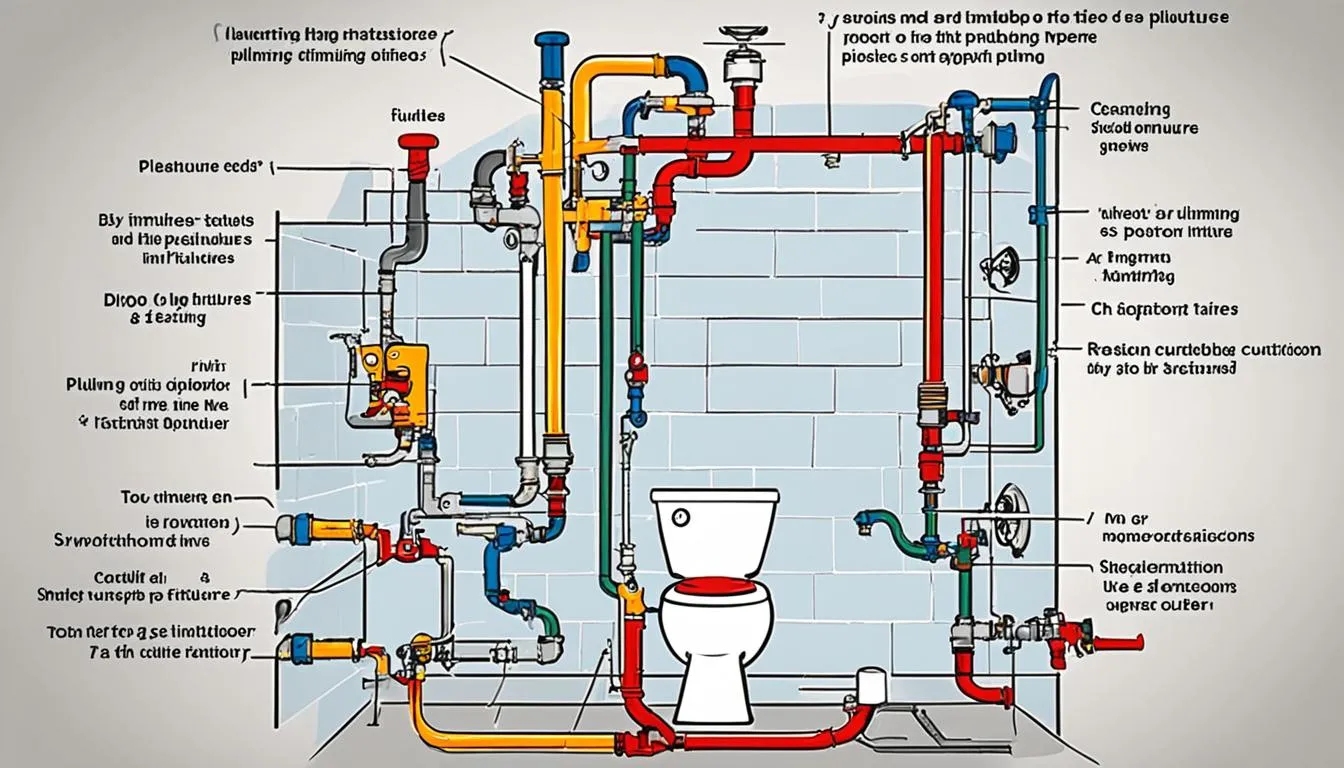
When a toilet overflows after a flush, the first minute decides how much water ends up on the floor. How to stop the cistern refilling, how to tell a blocked pan from a blocked drain, and when it is worth a night call-out.
If your toilet is overflowing after a flush, take the lid off the cistern and lift the float arm, or press the flush valve back down, so no more water runs into the pan. Then do not flush again. A toilet overflows because the water from the cistern cannot get past a blockage, and every extra flush puts another six litres or so on the floor. Once the water stops rising, you have a few minutes to work out whether the blockage is in the toilet or in the drain below it, and that answer decides whether you need anyone tonight.
Stop the water in the first sixty seconds
Stop the cistern refilling, then stop the supply. Those two steps limit the damage to whatever is already in the pan.
- Lift the cistern lid. On most close-coupled toilets the lid simply lifts off. Put it somewhere flat, because it is heavy ceramic and breaks easily.
- Hold the float up or push the valve down. On older cisterns, lifting the float arm stops the inlet valve. On push-button cisterns, pressing the flush valve back onto its seat stops water leaving the cistern.
- Turn off the isolation valve. Most toilets have a small valve on the pipe feeding the cistern, with a slot for a flat screwdriver or a coin. A quarter turn so the slot sits across the pipe shuts it off. If there is no valve, turn off the main stopcock.
- Put towels down and move anything valuable. In a flat, water on a bathroom floor finds its way to the ceiling below faster than people expect.
If water is heading towards a socket, a floor-level heater or a light fitting below, switch that circuit off at the consumer unit if you can reach it without standing in water.
Is it the toilet or the drain below it?
If only the toilet is affected, the blockage is almost always in the pan or the short pipe behind it. If the shower, bath or sinks are also slow or gurgling, the main drain is blocked and the toilet is just the lowest point where it shows.
Run the cold tap in the nearest basin for ten seconds and watch the toilet. If the water in the pan rises or bubbles while the basin drains, the two share a blocked pipe further down. Then find the outside inspection chamber, usually a square cover in the front path or back garden. If you can lift it safely and it is full of standing water, the blockage is downstream of it, and no amount of plunging will fix that from inside. Our guide to sewage coming up through a drain or toilet covers that situation in more detail.
If the chamber is empty and nothing else in the house is misbehaving, you are dealing with a local blockage in the toilet itself, and that is often something you can clear.
Clearing a toilet-only blockage yourself
A flanged plunger clears most pan blockages, as long as the drain beyond it is flowing. Give the water level a few minutes to drop first, because plunging a brim-full pan just pushes water over the rim.
Once the level has fallen, seat the plunger over the outlet so the flange sits inside the hole, and push and pull firmly a dozen times without breaking the seal. Pull it away and see whether the water drains. If it does, fill a bucket from the bath tap and pour it in from waist height to check the pipe is properly clear before you turn the water back on and flush.
A few things make it worse:
- Chemical drain unblocker. It will not dissolve wipes or sanitary products, and it sits in the pan for whoever has to deal with it next.
- Boiling water. A sudden rush of very hot water can crack a ceramic pan.
- Wire coat hangers. They scratch the glaze and rarely reach the actual blockage.
- Flushing to test it. Test with a bucket, where you control the volume, not with a full cistern.
If twenty minutes of proper plunging has not moved it, or you know something solid went down, such as a toy, a phone or a toilet block holder, stop. Solid objects lodge in the trap and need to be retrieved, not pushed further in. Our step-by-step guide on how to unblock a toilet covers the plunger and the toilet auger in more detail.
When an overflowing toilet needs someone tonight
It is worth a same-night call-out if it is the only toilet in the property, if other fittings are backing up too, or if water is still rising with the supply turned off. Otherwise it can usually wait until morning.
Rising water with the cistern isolated means waste is arriving from somewhere else, usually a neighbour upstream on a shared drain or another fitting in the house. That is a main-drain blockage, and the blocked toilet and internal drain clearance service is the route for it. A household with one toilet and young children or an elderly relative also has a good reason not to wait. The quick check in is a blocked drain an emergency is the same one we run on the phone.
If you have a second working toilet, the water has stopped and nothing else is backing up, leave the isolation valve off, keep the door shut and call in the morning. The same visit costs less in the standard band, and we will say so on the phone rather than send a van at 2am for a job that could have waited.
Cleaning up after the overflow
Treat anything the overflow reached as contaminated, even if it looked like clean water. Toilet water that has sat in a blocked pan carries bacteria.
Wear gloves, mop up standing water, and clean hard floors, the base of the toilet and the skirting with hot water and household disinfectant. Bag soaked bath mats and towels and wash them on a hot cycle, or throw them away. Carpet that has been soaked with toilet water is rarely worth keeping. In a flat, tell the neighbour below straight away and check their ceiling for staining, because a claim is simpler when it is reported on the day. Photograph the floor and any damage before you clean, in case you need them for insurance.
When a drainage engineer is the wrong call
Some overflows are not drain problems at all. If water is running out of the small overflow pipe on the outside wall, or constantly trickling into the pan without anyone flushing, the cistern's fill valve is faulty and a plumber is the right trade.
Macerator or pump-away toilets, the kind with a box behind the pan that whirs after flushing, are another exception. When they back up, the fault is usually the unit's pump or blades, not the drain, and the manufacturer's service engineer or a plumber who knows that model will be quicker than a drainage van. We are happy to tell you that on the phone.
What it costs, and why the time matters
We price by time band: 7am to 5pm, 5pm to midnight, and midnight to 7am. The figure for the band you are calling in is agreed on the phone before anyone travels.
That is why the checks above are worth two minutes of your time. A toilet-only blockage cleared with a plunger costs nothing. A main-drain blockage at night costs the night rate, which is still far less than a new bathroom floor or the ceiling below. Current figures for each band are on the pricing page.
Frequently asked questions
Why does my toilet overflow when I flush but drain slowly afterwards?
Something is partly blocking the pan's outlet or the pipe behind it, so water leaves more slowly than the cistern fills the pan. Wipes, thick wads of paper and sanitary products are the usual causes. A flanged plunger normally clears it once the level has dropped, provided the rest of the drain is flowing.
Can a blocked toilet clear itself overnight?
A blockage made only of toilet paper sometimes softens and clears on its own within a few hours. Wipes, cotton pads and sanitary products do not break down in water and will stay put. If you have another toilet, isolating the blocked one and trying a plunger in the morning is reasonable.
Should I turn off the water if my toilet is overflowing?
Yes. Lift the float or push the flush valve down to stop the cistern emptying into the pan, then close the isolation valve on the cistern's supply pipe with a flat screwdriver or coin. If there is no valve, use the main stopcock. That stops the overflow getting worse while you find the cause.