How to Get Water Out of a Toilet Bowl That Won't Drain
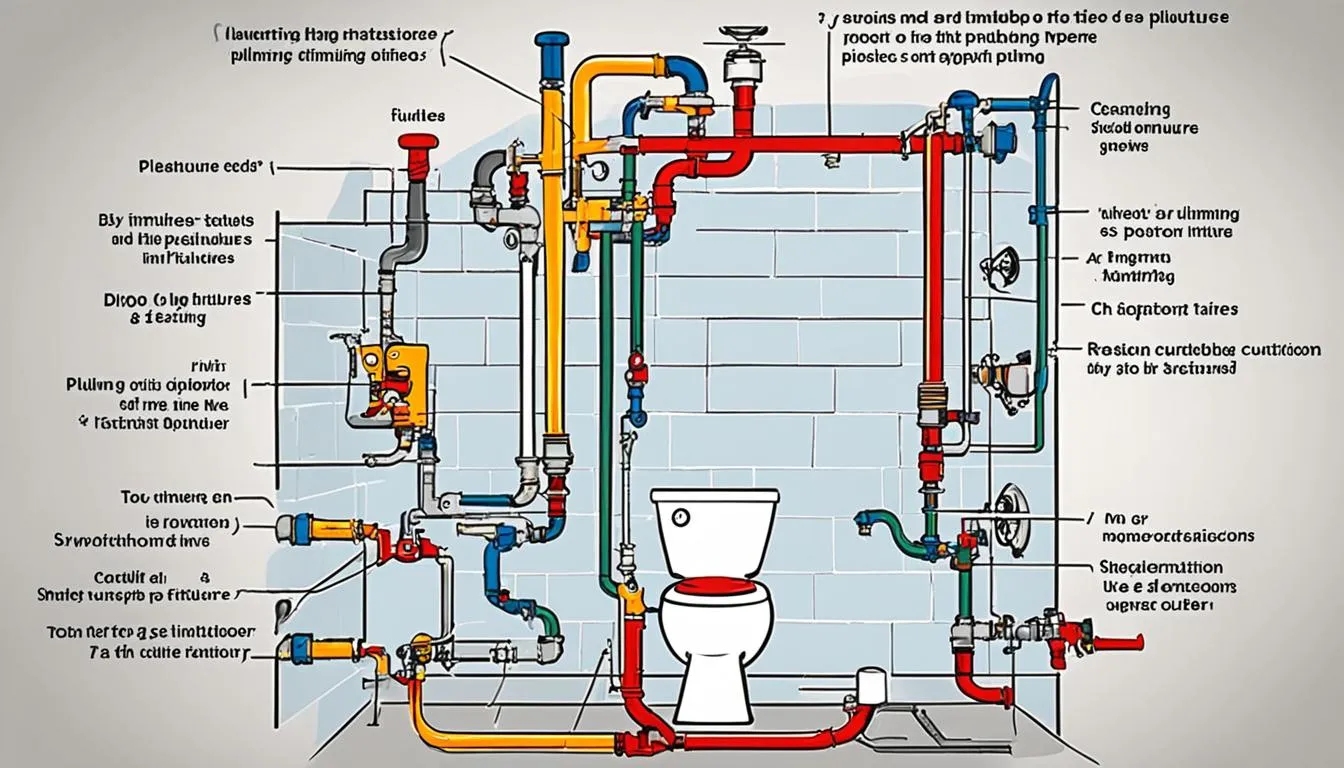
A toilet full to the rim can be emptied in a few minutes with a jug, a bucket and a sponge. Here is how to do it without spilling, where the water should go, and why a pan that keeps refilling means the drain below is blocked.
To get water out of a toilet bowl that will not drain, turn off the cistern's water supply, put on rubber gloves, and bail the pan into a bucket with a small plastic jug or cup. When you can no longer scoop, soak up the last of it with an old sponge or towel. If the water keeps coming back after you have emptied it, stop bailing: water is arriving from the drain below, not from your toilet, and that is a main-drain blockage rather than a full pan.
First, stop more water getting into the pan
Before you remove any water, make sure no more can arrive from the cistern. Otherwise one accidental flush undoes the work and puts the pan over the rim.
- Close the isolation valve. Most toilets have a small valve on the pipe feeding the cistern, with a slot for a flat screwdriver or a coin. Turn it a quarter turn so the slot sits across the pipe. If you cannot find one, turn off the main stopcock.
- Tell everyone in the house. A family member flushing out of habit is the most common reason a half-empty pan ends up on the floor.
- Protect the floor. Put old towels round the base of the toilet and stand the bucket on a towel too, because it will drip.
If the water in the pan is already at the rim, give it five or ten minutes before you do anything. A partly blocked toilet often drops slowly on its own, and a lower level is much easier to bail without spilling.
How to bail and sponge a toilet bowl empty
A plastic jug or a large mug and a bucket will empty most of the bowl in a few minutes. A sponge or old towel then takes out what is left in the bottom of the trap.
- Wear gloves and old clothes. Water from a blocked toilet carries bacteria even when it looks clear. If anyone has poured a chemical unblocker in, wear eye protection as well and work slowly so nothing splashes.
- Scoop steadily, not fast. Fill the jug a little at a time and tip it into the bucket. Rushing is how water ends up down your sleeve.
- Use a sponge for the trap. The last few centimetres sit in the bend at the bottom of the pan, where a jug cannot reach. Push a sponge into it, lift it out and squeeze it into the bucket. Repeat until the trap is nearly dry.
- A wet-and-dry vacuum works, an ordinary one does not. A vacuum made for wet pick-up will empty the pan quickly. A normal household vacuum will be damaged by the water and is an electrical risk.
Throw the sponge away afterwards rather than putting it back under the sink.
Where to put the water you take out
If only this toilet is blocked and everything else in the house drains normally, pour the water into another working toilet. If the main drain is blocked, keep it in a bucket with a lid until the drain has been cleared.
Do not tip it into a garden gully, a road drain or a rainwater downpipe. In many London houses the rainwater system is separate from the foul drain and runs to a soakaway or a surface-water sewer that discharges into a river. Toilet water belongs in the foul drain only.
It is also worth not pouring it down another toilet or sink when you are not sure what is blocked. If the blockage is in the shared pipe below, every bucket you pour into another fitting adds to the water that has to come back up somewhere.
If the bowl keeps refilling, the drain below is blocked
A pan that fills back up after you have emptied it, with the cistern isolated, is not a toilet problem. Water is backing up from the drain, usually because another fitting in the house or a neighbour upstream is still sending water down a blocked pipe.
Two quick checks confirm it. Run the nearest basin for ten seconds and watch the pan: if the level rises or bubbles, the two share a blocked pipe further down. Then lift the cover of the inspection chamber outside, usually a square cover in the front path, back garden or side passage. If it is full of standing water, the blockage is below it, and emptying the toilet will not help however many times you do it.
At that point, stop using water anywhere in the property. No showers, no washing machine, no washing up. Our guide on how to unblock a toilet and tell when it is the drain goes through the same checks step by step.
Empty it fully, or leave some water in?
If you are going to plunge the toilet, do not empty it completely. A plunger needs enough water to cover the cup, so bail it down to about half full and stop.
A plunger works by pushing water against the blockage. With the pan empty it just pushes air, which does nothing. Empty the pan fully only when you need to see into the outlet, for example to reach a toy or other object that has gone down, or when you are waiting for someone to clear the drain and want the pan low enough that it cannot overflow.
If you can see something solid in the outlet, such as a toy, a toothbrush or a toilet-block holder, pull it out with a gloved hand if you can reach it. Do not try to push it through. Solid objects lodge in the trap or further down the pipe and are much harder to retrieve once they have moved.
When a full toilet needs someone tonight
It needs someone tonight when it is the only toilet in the property, when the bowl keeps refilling with the supply off, or when sewage is appearing in a shower tray or floor drain. It can usually wait until morning when there is another working toilet and the water has stopped rising.
A full pan in a house with a second bathroom is an inconvenience. Isolate the cistern, bail it down, shut the door and book it for the day, when the same visit is charged at the standard rate. The picture changes in a flat with one toilet, a household with young children or someone unwell, or a building where several flats share a stack, because the drain keeps receiving water from everyone upstream.
Our blocked toilet and internal drain clearance service covers the pan, the soil pipe and the underground drain behind it. We price by time band: 7am to 5pm is the standard rate, 5pm to midnight the evening rate, and midnight to 7am the night rate. The current figures are on our pricing page, and the price is agreed on the phone before anyone travels.
When a drainage engineer is the wrong call
If you only need the toilet empty so it can be removed or replaced, that is a plumber's job, not a drainage one. And if the toilet has a pump unit behind it, the fault is usually in the unit.
For a toilet that is being taken out, the usual order is to close the isolation valve, flush once to empty the cistern while the pan is draining normally, then sponge out the cistern and the trap before the pan is disconnected. There is nothing urgent about that, and it does not need a drainage van.
Toilets with a macerator or pump-away unit, the box behind the pan that whirs after a flush, fill up for different reasons: a jammed blade, a failed pump or a blocked discharge pipe. Emptying the bowl still works as a stopgap, but see our note on a macerator toilet backing up before you call anyone, because the right trade is often the manufacturer's engineer.
Frequently asked questions
Is it normal for water to stay in the bottom of a toilet bowl?
Yes. Every toilet holds some water in the bend at the bottom of the pan, called the trap. That water seal stops sewer gas coming into the room. It is only a problem when the level is higher than usual, rises after a flush, or does not drop back within a few minutes.
Will the water in a blocked toilet go down on its own?
Sometimes. A blockage made only of toilet paper can soften and let the water drain slowly over an hour or two. Wipes, cotton pads and sanitary products do not break down, so the level will stay high. If the pan refills after you empty it, the drain below is blocked and it will not clear on its own.
Can I use a vacuum to get water out of a toilet?
Only a wet-and-dry vacuum designed for water. An ordinary household vacuum will be damaged by the water and can give you an electric shock. For most people a jug, a bucket and a sponge are quicker and safer anyway.