Grease Trap Overflowing During Service: What to Do Before Close
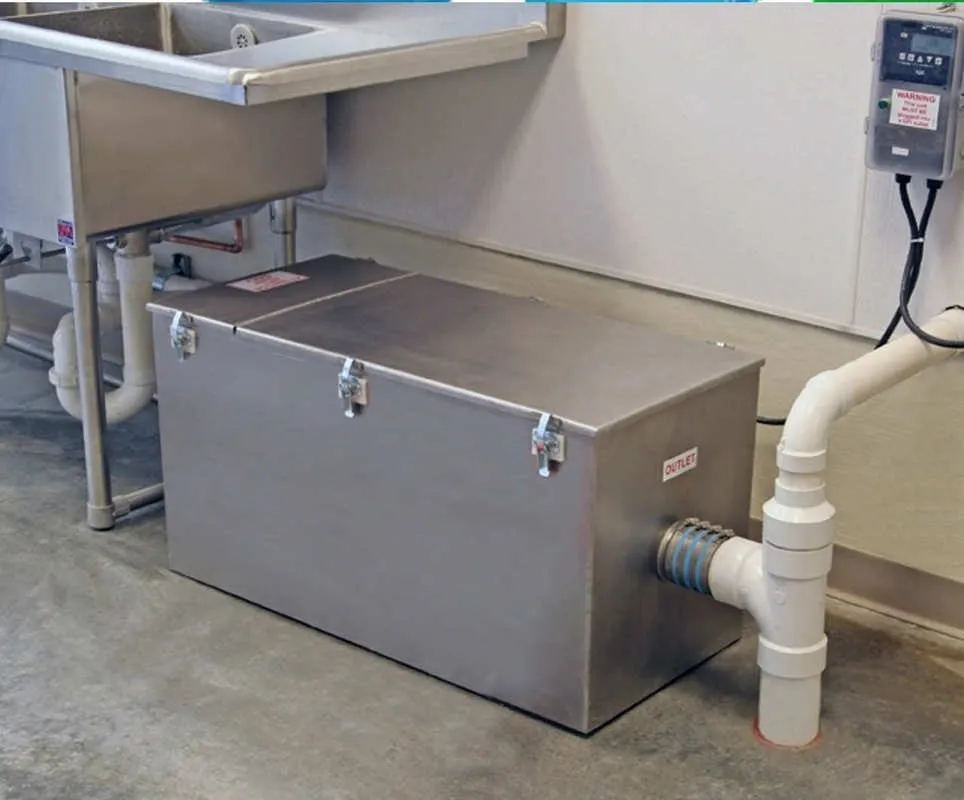
When a grease trap overflows in the middle of service, a commercial kitchen has a hygiene problem, a drainage problem and a trading problem all at once. Here is what to do in the first few minutes, how to tell a full trap from a blocked drain, and when the job can wait until after close.
If your grease trap is overflowing during service, stop running water into the sinks and dishwasher that feed it, keep staff away from the spill, and decide whether you can finish service with the kitchen's water use cut right down. A trap overflows because it is full of fat and food solids or because the drain after it is blocked, and neither will fix itself while hot water is still going in. Most overflows can be made safe until close and then emptied or cleared the same night.
Why a grease trap overflows
A grease trap overflows for one of two reasons: it is full, so fat and solids have nowhere to settle, or the pipe leaving it is blocked, so water backs up through it. The fix for each is different, so it is worth knowing which one you have.
A trap works by slowing waste water down so fats, oils and grease float to the top and food solids sink, letting cleaner water pass out to the drain. Once the fat layer and the sludge layer between them fill the chamber, there is no settling space left. Fat then passes straight through into the drain, where it cools and sticks to the pipe walls, and eventually both the trap and the drain block together. A trap that has not been emptied for a long time, a busy weekend, or a change of menu towards fried food can all tip it over.
What to do in the first few minutes
Cut water use into the trap to the minimum, make the floor safe, and keep food away from the spill. Everything else can wait until the flow has stopped.
- Stop the dishwasher and pot wash. A commercial dishwasher discharges a large volume of hot water at once, which melts fat in the trap and pushes it out over the lid or up through floor gullies.
- Close off the area. Grease on a kitchen floor is a slip hazard. Put out wet floor signs, keep staff out of that section, and put down absorbent material around the edge of the spill.
- Protect food. Move open food, clean equipment and packaging away from the area. Contaminated food should be thrown away.
- Do not pour chemicals or boiling water into the trap. Boiling water pushes melted fat further into the drain, where it sets again, and chemicals can corrode the unit and make the waste harder to remove safely.
- Do not open and bail the trap yourself mid-service. The contents are foul, heavy and need licensed disposal. Bailing into a sink just sends it straight back into the same drain.
Is it the trap or the drain beyond it?
If the trap is full of thick fat right up to the outlet, it needs emptying. If the trap level is high but the contents are mostly water, the blockage is downstream in the drain and needs clearing.
A quick look through the lid, if it can be lifted safely, usually tells you. A thick, pale crust over the whole surface means the trap is full. Clear-ish water sitting high means the outlet pipe is blocked. Another clue is the floor gullies. If they are backing up as well, the blockage is in the shared drain rather than just the trap. The engineer will confirm it on arrival, but telling them on the phone means they bring the right equipment: a tanker or vacuum unit to empty a full trap, or a jetting unit to clear the drain after it. Often a kitchen needs both.
Can it wait until after close?
Usually, yes, if you can stop the overflow by cutting water use and the spill is contained. If waste is spreading across the kitchen floor, coming up through gullies near food preparation, or the kitchen cannot function at all, it needs attention now.
Finishing service with a reduced menu, paper plates or a pause on the dishwasher is often the practical choice, and it means the work happens once the kitchen is empty and the engineer can get to the trap without working round staff. Our rates are set by time band: 7am to 5pm is standard, 5pm to midnight is the evening rate, and midnight to 7am is the night rate. A job attended after a late close usually falls in the night band, and the price for the job is agreed on the phone before anyone is sent. The current figures are on our pricing page.
What happens when the engineer arrives
The engineer empties the trap of fat and settled solids, cleans the chamber, and then checks the drain after it is running freely. If the drain is blocked, it is jetted, and a camera check confirms it is clear rather than just open.
Fat that has built up along the drain is the main reason grease traps overflow again a week after being emptied. Jetting is the right tool for that because it scours the whole pipe rather than punching a hole through the fat, which is covered on our page about high-pressure drain jetting. If the trap itself is damaged, undersized for the kitchen's output, or missing a baffle, the engineer will tell you and quote that separately.
Stopping it from happening again
A trap that overflows has usually been emptied too rarely for the volume of fat going into it. The fix is a regular emptying schedule matched to how busy the kitchen is, plus stopping fat going down the sink in the first place.
Scrape plates into the food bin before washing, wipe pans before they go in the pot wash, and put used cooking oil in a sealed container for a licensed waste oil collector, never down the sink. Keep a log of when the trap is emptied and by whom, because water companies and local authorities can ask to see it. Under the Water Industry Act 1991 it is an offence to put anything into a public sewer that interferes with its free flow, and fat from commercial kitchens is a leading cause of sewer blockages in London. For a planned emptying and maintenance schedule, see our grease trap installation and servicing page, and the commercial kitchen grease trap maintenance guide covers the routine in more detail.
Frequently asked questions
Can I keep cooking while the grease trap is overflowing?
Only if you can stop the overflow by cutting water use into the trap, keep the spill away from food preparation, and keep the floor safe. If waste is spreading across the kitchen or coming up near food, stop service in that area until it has been emptied and cleared.
How often should a grease trap be emptied?
It depends on the size of the trap and how much fat the kitchen produces. A busy kitchen serving fried food may need it emptied every few weeks, a lighter one much less often. A common rule of thumb is to empty it before the fat and solids fill about a quarter of the trap's depth. A regular inspection will tell you the right interval.
Can I empty the grease trap myself?
Small under-sink units can be cleaned by trained staff if the waste goes to a licensed collector, not into the bin or back down the drain. Larger in-ground traps need a vacuum tanker, and the waste must be removed by a licensed carrier. Never tip grease trap contents into a sink, toilet or outside drain.