Drain Overflowing in Heavy Rain: What to Do and Who to Call
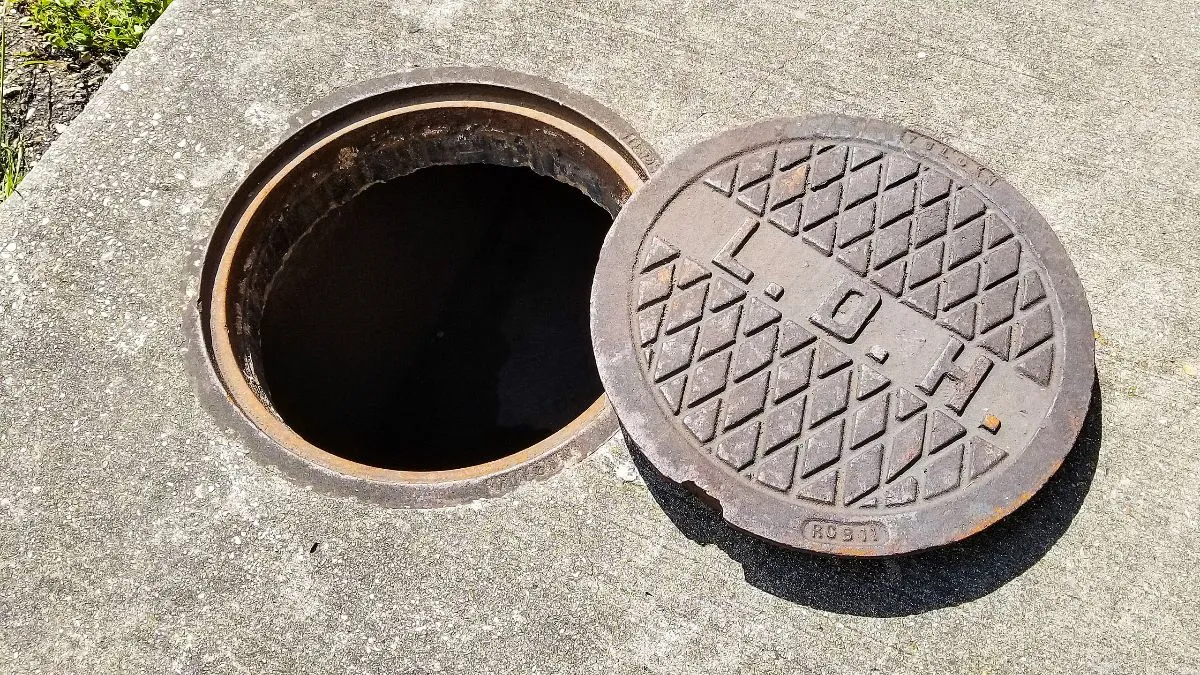
When a drain overflows during a downpour, the cause is either a blocked gully, downpipe or soakaway on your property, or a public sewer that has run out of capacity. Here is how to tell them apart, what to do while it is still raining, and who to call for each.
If a drain is overflowing in heavy rain, first work out whether it is only your drain or the whole street. If neighbours' gullies and manholes are overflowing too, the public sewer is overloaded and the water company is responsible. If it is only your gully, downpipe or back yard, the blockage is almost certainly on your side and a drainage engineer can clear it. Either way, keep water away from doorways and air bricks and stop using water inside the property until the rain eases.
What to do while it is still raining
Protect the building first and diagnose second. Water getting into a lightwell, a basement or under a door does far more damage than a gully overflowing onto a patio.
- Stop using water indoors. Showers, baths, the washing machine and the dishwasher all discharge into the same drains that are already full. On a combined system, every litre you add can come back up through the lowest opening.
- Keep water away from the house. Sandbags, a folded towel line or a board across a door threshold will buy time. Check air bricks and lightwell drains, which sit low and flood first.
- Clear what you can reach from above. Leaves and silt sitting on a gully grate or a yard drain cover can be scooped off with a gloved hand or a trowel. Do not put your arm into the gully itself.
- Do not lift manhole covers. A chamber full of surcharging water can lift a loose cover, and an open chamber under floodwater is invisible and dangerous to anyone walking past.
- Treat the water as contaminated. In most of London, rainwater and sewage share the same pipes. Wear gloves and boots, keep children and pets out of it and wash hands afterwards.
Your drain or the public sewer? How to tell
If several properties are overflowing at once, or the water rises when nobody is using any water, the public sewer is the likely cause. If only your drain is affected and it overflows every time it rains, the problem is private.
Most of inner London drains through combined sewers built in the Victorian era, carrying foul water and rainwater in the same pipe. In a sudden, heavy storm those sewers can fill faster than they empty, and water backs up into the lowest connected points: road gullies, back-yard gullies, basement toilets and lower-ground shower trays. This is called surcharging. It usually stops within a few hours of the rain easing, and there is nothing a drainage company can do to the sewer to stop it sooner.
Useful checks while you wait:
- Look at the street. Road gullies overflowing and manhole covers weeping water outside point to the sewer or the highway drainage, not your drain.
- Ask the neighbours. Two or more houses in the same terrace backing up at the same time is almost never a coincidence.
- Look inside your own chamber once the rain has stopped. If your inspection chamber is full but the water drops as the rain eases, the sewer was the bottleneck. If it stays full a day later, you have a blockage.
If the public sewer is surcharging into your home, report it to Thames Water (or your local water company) as sewer flooding. They are responsible for public sewers and for shared lateral drains outside your boundary, and a recorded incident matters if it happens again. Our guide to sewage coming up through a drain or toilet covers what to do if foul water gets inside.
The private causes: gullies, downpipes and soakaways
When only your property overflows in the rain, the cause is usually a blocked gully, a blocked downpipe connection or a soakaway that can no longer take the water. All three are on your side of the boundary and all three can be cleared.
- Blocked yard gully. The small grated trap at the foot of a downpipe or by the kitchen waste collects leaves, silt and kitchen grease. It copes in light rain and overflows in heavy rain. This is the most common cause by some distance.
- Blocked downpipe or gutter. If water is pouring over the gutter or out of a joint halfway down the pipe, the blockage is above ground rather than in the drain. Leaves, moss and nests collect at the outlet and at bends. Our gutter and downpipe clearance service deals with this at height.
- Blocked rainwater drain. In some houses the downpipes run to a separate surface water drain rather than the foul system. Roots and silt block these, and the symptom is an overflow only when it rains, never when you use water inside.
- Saturated or silted soakaway. Properties that send rainwater to a soakaway will see pooling and slow drainage once the soakaway fills with silt or the ground is waterlogged. See why a soakaway stops draining for how to tell the difference.
Road flooding and highway gullies are the council's job
If the water is coming from a blocked road gully on the pavement or carriageway, report it to your borough council's highways team, or to Transport for London on red routes. Clearing highway gullies is not something a private drainage company should do or charge you for.
It is worth reporting even if the water has not reached your property yet. Councils clear gullies on a schedule, and a report of repeated flooding at the same spot is how a gully gets moved up the list. Take a photo with the date on it.
When calling a drainage engineer is the wrong answer
If the sewer is surcharging, a drainage engineer cannot fix it, and a call-out during the storm will usually end with advice to wait. We will tell you that on the phone rather than send someone.
Jetting a drain that is backed up by a full sewer achieves nothing, because the water has nowhere to go. The same applies to a soakaway sitting in waterlogged ground. The right time to investigate is once the rain has stopped and levels have dropped, when a camera can show whether your own drain played a part.
It is worth calling out during the rain when the water is clearly coming from your own blocked gully or drain, and it is heading for the inside of the building: a lightwell filling up, water at a basement door, or foul water rising through a ground-floor WC or shower. That is a genuine emergency drainage job, and the time band the engineer attends in is confirmed before we set off.
After the rain: stopping it happening again
Once the water has gone, find out which of the causes above it was. One overflow in a record storm may not need any work at all. The same gully overflowing every time it rains does.
- Clear gullies and gutters before autumn. Leaf fall in October and November is when most rain-related overflows start.
- Have the drain checked by camera if it has overflowed more than once. Displaced joints, root ingress and sagging sections all reduce how much a drain can carry in a storm.
- Ask the water company about a non-return valve if the public sewer has flooded your home. On a property that sits low relative to the sewer, a non-return or anti-flood valve stops sewer water coming back up the connection.
- Keep the records. Photos, dates and the Thames Water incident reference make any insurance claim easier and help if the flooding keeps recurring.
Frequently asked questions
Who is responsible when a drain overflows in heavy rain?
It depends on where the blockage or overload is. If the public sewer is surcharging, the water company is responsible, which in most of London is Thames Water. A blocked road gully is the council's responsibility, or TfL's on red routes. A blocked gully, downpipe, soakaway or drain that serves only your property and sits within your boundary is yours to clear.
Why does my drain only overflow when it rains?
Either a rainwater gully, downpipe or soakaway is partly blocked and cannot take a large volume at once, or the public sewer your drain connects to is overloaded during storms. If it happens on your property alone, the blockage is probably yours. If neighbours are affected at the same time, the sewer is the more likely cause.
Should I call an emergency drainage engineer during a storm?
Only if the water is coming from your own blocked drain and heading into the building, or foul water is rising inside. If the whole street's drains are backing up, the public sewer is full and clearing your drain will not help until the rain eases. In that case report it to the water company and protect doorways and air bricks instead.