Blocked Drain Tonight: What Changes Between the Day, Evening and Night Bands
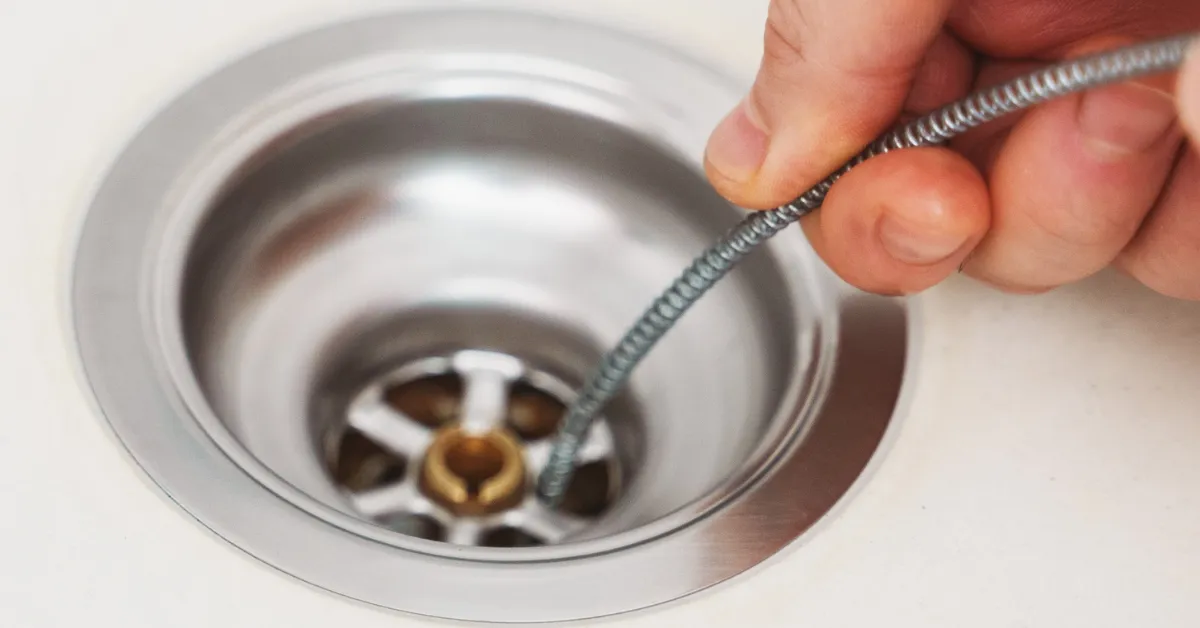
Emergency drainage is priced in three time bands: 7am to 5pm, 5pm to midnight, and midnight to 7am. Here is what genuinely changes between them, what sits outside the quoted clearance, and when waiting until morning is the cheaper call.
It is half past eleven, the downstairs toilet is filling instead of emptying, and the first thing you want to know is what this is going to cost. We price emergency drainage by time band rather than by improvisation, so the honest answer is: it depends which band the clock is in, what the job turns out to be, and nothing else. This page explains exactly what that means, what the night rate pays for, and the situations where the cheapest thing we can tell you is to go to bed.
The three bands, and where the clock draws the line
Our rates are set by three time bands: standard hours from 7am to 5pm, evenings from 5pm to midnight, and the night and emergency band from midnight to 7am. The band is decided by the clock, not the calendar. A Sunday afternoon is a standard-hours job. A Tuesday at 1am is a night job. Current figures for each band are published on our pricing page.
That distinction matters more than it sounds. Plenty of drainage firms apply a weekend multiplier on top of an out-of-hours rate, so a Saturday lunchtime clearance costs more than the identical job on a Wednesday lunchtime. We do not. If the engineer attends between 7am and 5pm, it is the standard rate, whatever the day is.
The band is also set by when the engineer attends, not by which postcode you are in. Across the boroughs we cover — Camden, Islington, Hackney, Tower Hamlets, Newham, Southwark, Lambeth, Wandsworth, Lewisham, Westminster, the City, Brent, Ealing, Hammersmith and Fulham, Haringey and Waltham Forest — the same job type at the same hour is the same price. Zone 1 and zone 4 pay the same for a midnight blocked toilet.
What the night rate actually pays for
The uplift between bands is not a surcharge for inconvenience. It reflects real differences in how the work has to be done after dark: fewer engineers on shift, restricted disposal, harder access, and jobs that cannot be completed in one visit because the infrastructure they depend on is shut.
The concrete differences, in the order they tend to bite:
- Crew size. Daytime work is often two-handed. Overnight it is usually a single engineer, which changes what can safely be attempted — lifting heavy chamber covers and working near an open manhole alone has limits.
- Waste disposal. Licensed transfer and tipping sites keep daytime hours. Anything tankered overnight sits on the vehicle until the morning, which ties up a unit for the rest of the shift.
- Water for jetting. A jetting unit carries a finite tank. Refilling mid-job is straightforward at 2pm and considerably less so at 3am.
- Access to communal chambers. In a block of flats the manhole is frequently in a locked bin store, a gated car park or a basement plant room. Getting a caretaker or concierge to open it at midnight is often the longest part of the job.
- Parking and loading. A jetting unit needs to be within hose reach of the chamber. Restrictions, controlled parking zones and red routes across inner London differ overnight, in both directions.
None of that changes the equipment or the standard of work. The same jetting kit, the same camera and the same engineer competence apply at 3am as at 3pm. What changes is how much of the surrounding infrastructure is available to support the job.
What is included in the call-out, and what is charged on top
The call-out and the clearance are priced as one job, at the band rate agreed on the phone before we dispatch. That figure does not change when the engineer arrives. What sits outside it is anything that is a different job: a structural repair, a tanker, or a survey commissioned for its own sake rather than to confirm the drain is clear.
Included in the quoted clearance: attendance, the clearance attempt itself with jetting or mechanical equipment, and a camera check to confirm the run is actually flowing rather than temporarily open. Quoted separately, always with your agreement first: root cutting where jetting alone will not shift an ingress, relining or excavation if the camera finds a structural cause, and tanker attendance where the system needs emptying rather than clearing.
What you will never see on our invoice is an extra that was not discussed. No equipment charges, no report administration fees, no arrival surcharge introduced on the doorstep. If a job turns out to need something beyond clearing the blockage, we stop, explain what the camera found, and quote it before doing anything — and you are free to decline and pay only for the clearance.
Jetting or rodding: when the cheaper option is the wrong one
Rodding pushes a mechanical rod through the pipe from an access point. Jetting pushes a high-pressure hose and nozzle along it. Rodding is faster and cheaper on a localised soft blockage close to the chamber. Jetting is the only realistic option for grease, silt or scale spread along a length of pipe, because rodding punches a hole through it rather than removing it.
The distinction matters at night in particular, because a hole punched through a fatberg looks exactly like a cleared drain for about four days. The water runs away, the engineer leaves, and the blockage re-forms around the remaining deposit. If you have called someone out twice in a month for the same drain, that is very often what happened the first time.
There is a second reason we are careful with rods. In older London stock — salt-glazed clay laid in short lengths with mortar joints — a rod driven hard into a run that is already fractured can displace a joint or push a broken section further out of line, converting a blockage into a repair. Where the symptoms suggest a structural problem rather than a soft blockage, we would rather put a camera down first than force rods through it.
When we tell you to wait until morning
Sometimes the cheapest advice we can give is to do nothing until 7am. If the problem is contained, nothing is discharging inside the property, and you have an alternative facility, waiting moves the job from the night band to the standard band for the same work. We will say so on the phone.
Cases where waiting is usually sensible: a slow gully or an external chamber holding water after heavy rain with nothing backing up indoors; a single blocked basin or shower where the WC still flushes normally; a blockage in a second bathroom in a property that has another working one; and a shared or external run where the freeholder, managing agent or sewerage undertaker may attend in the morning at no cost to you at all.
Cases where waiting is a bad idea: foul water rising through a ground-floor WC, shower tray or gully; sewage inside the property at any volume; a chamber that has overflowed and is running towards a doorway or a lightwell; and any situation in a basement flat, where the fall of the land means a backing-up system reaches habitable rooms first. In those cases the cost of waiting is measured in flooring and damage, not in the difference between two bands.
What we will not do is talk you into a night call-out for a job that could wait. It is a bad trade for both of us — you pay a night rate you did not need to, and we spend a night shift on a job that was never urgent.
No clear, no charge: the exact terms
If we attend a confirmed blockage and cannot clear it with the equipment on the van, the call-out fee for that attempt is waived. You do not pay for a failed clearance, in any time band. That is the whole policy, and the terms below are the whole of the small print.
It applies to the clearance attempt. If the camera then shows a structural cause — a collapse, a severe root mass, a displaced joint — that is a separate, quoted repair, and declining the quote costs you nothing for the visit. It does not apply where a job is completed successfully but you would prefer a different outcome, and it does not apply to work you agreed to separately after the clearance. If the blockage turns out to be trivial, we say so and charge the standard clearance rate rather than dressing a plunger-level job up as an emergency.
The reason we can offer it is that most emergency blockages genuinely do clear on the first visit with jetting. The policy costs us on the small minority that do not, and it removes the thing people are most anxious about at midnight: paying a night rate for someone to arrive, look at it, and leave.
Frequently asked questions
Does a Saturday count as an out-of-hours rate?
Not by itself. The band is set by the time of day, not the day of the week, so a Saturday afternoon call-out falls in the standard 7am to 5pm band at the standard rate. A weekend job only attracts the evening or night rate if the engineer attends between 5pm and 7am, exactly as it would on a weekday.
Will the price change once the engineer sees the job?
No. The time-banded figure for the job type is agreed on the phone before we dispatch and it is what you pay for that clearance. If the camera reveals a structural cause needing relining or excavation, that is a different job — we stop, explain what was found, and quote it separately, and you can decline without affecting the clearance price.
Is it worth waiting until morning to save money?
It depends entirely on whether anything is discharging inside the property. If the blockage is contained outside, nothing is backing up indoors and you have a working toilet, waiting until 7am moves the same job into the standard band. If foul water is rising inside, or the property is a basement flat, the damage cost of waiting outweighs any band difference.